
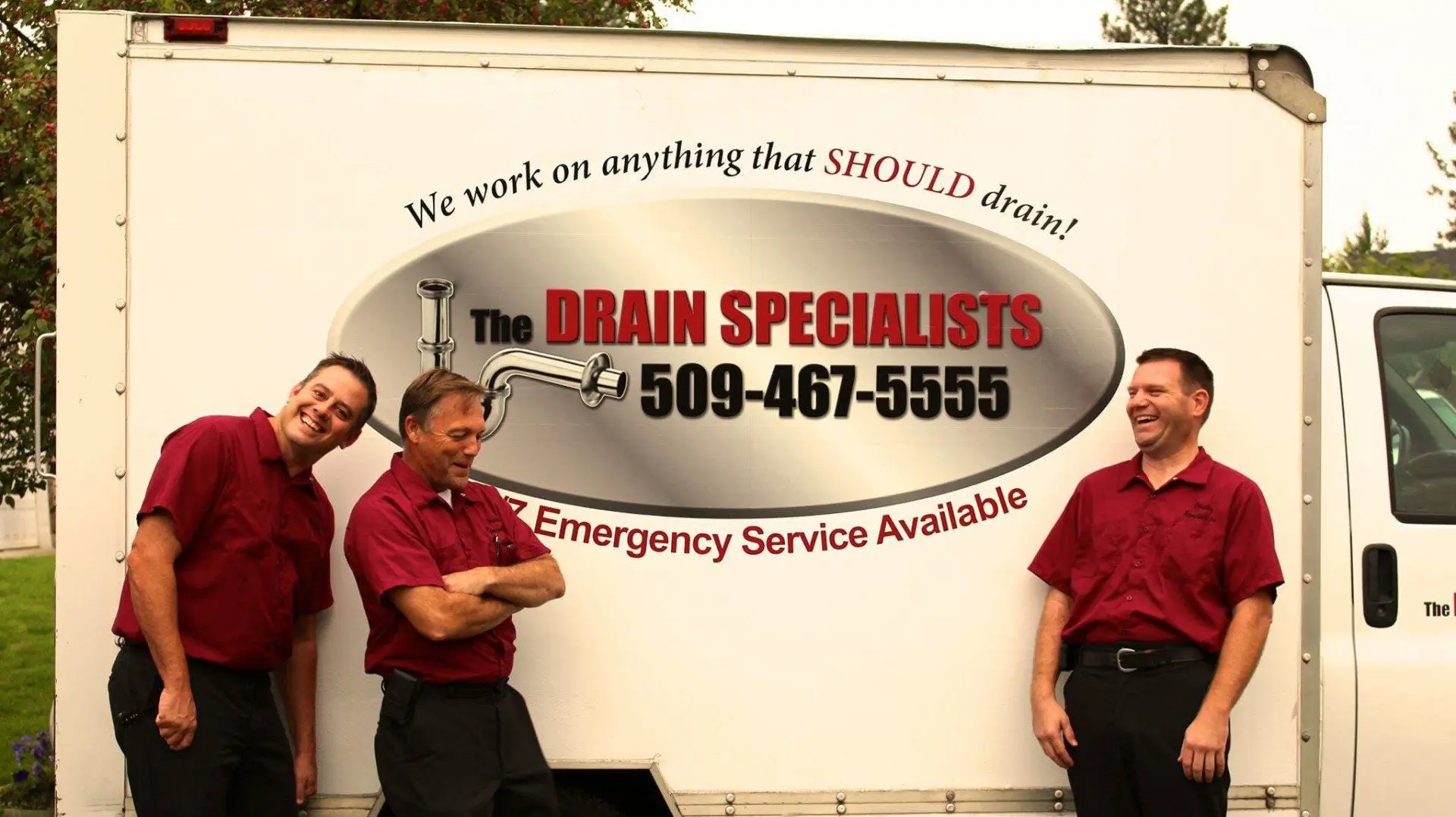



Deer Park Drain Cleaning & Sewer Services
A slow kitchen sink, a shower that turns into a kiddie pool, a toilet that keeps rising instead of flushing, or that awful sewer smell that won't go away. These are the everyday reasons people call for Drain Cleaning & Sewer Services in Deer Park, and they all point to the same thing: water isn't moving through the pipe the way it should.
At The Drain Specialists, we focus on clearing the blockage, restoring reliable flow, and helping you stop the problem from coming right back. Our Deer Park team brings over 40 years of combined drain experience to the work, and we back it up with the basics that matter at your home: we're bonded and insured, and licensed (#CCDRAINSDS88907). If you need service fast, we also offer same day service.
Drain Cleaning & Sewer Services for clogs and sewer backups
Drain cleaning is more than pouring something down a pipe and hoping for the best. Real drain work is about removing the material that's restricting flow, then confirming the line is moving water the way it should. Sewer services go a step further by addressing the main line that carries wastewater away from the building.
Common problems we solve in Deer Park include:
- Recurring clogs that come back every few days or weeks (often because the line was never fully cleared).
- Multiple fixtures backing up at once, like a tub bubbling when the toilet flushes (a classic sign of a main-line restriction).
- Slow drains that gradually get worse, especially after heavy use like laundry or a long shower.
- Sewer odors that show up even after cleaning (sometimes tied to buildup in the line, sometimes tied to how the system is venting, but clogs need to be ruled out first).
- Gurgling sounds that suggest air is being forced through standing water in a partially blocked pipe.
Why it matters: a restricted drain doesn't just "drain slowly." It holds dirty water and waste inside the pipe, which accelerates buildup. Left alone, that restriction can turn into a full backup, and that's when cleanup becomes a much bigger headache than the clog ever was.
How we clear drains and sewer lines in Deer Park
Good drain work is equal parts judgment and tools. The goal is to pick the method that removes the obstruction without damaging the pipe, then verify the fix before we leave. Eldon, our Service Manager, keeps our process consistent so you're not guessing what's happening or why.
- We start with symptoms and access points. Which fixtures are affected? Does it happen only during laundry, only after showers, or anytime? Those details help narrow down where the restriction sits, whether it's a branch line, a larger run, or the main sewer.
- We protect the work area. Drain cleaning is mechanical work, so we set up to keep floors, cabinets, and surrounding areas clean while we open a cleanout or work from the fixture.
- We clear the line with the right tool for the clog. Many clogs respond best to professional cabling (augering) to break up and pull out the blockage. Other situations call for water-jetting when buildup is coating the pipe walls and needs to be washed away instead of punched through.
- We confirm flow. After the restriction is removed, we run water and check that the drain is moving at full speed. A "partial" clearing is how repeat calls happen, so verification is part of the job.
- We explain what we found and what to change. If the clog was grease, wipes, paper towels, or heavy scale, we'll tell you plainly. If it's likely to return because of the pipe condition or roots, we'll talk through the next logical step (often a camera look, not guesswork).
Drain cleaning also has limits. If a line is collapsed, badly offset, or packed with roots that have reopened a gap in the pipe, clearing restores flow but doesn't "heal" the pipe. In those cases, the service that helps most is the one that identifies exactly what's going on so you can make a real decision, not a rushed one.
When a clog is really a sewer line problem
A single sink clog is annoying. A sewer line restriction can affect the whole building. The difference shows up in the symptoms:
- Backups at the lowest drain in the home (often a tub or floor drain) when you run water elsewhere.
- Toilet bubbling when a nearby sink drains or the washer discharges.
- Repeated clogs that rotate between fixtures.
- Wastewater smell that gets stronger after running water.
For sewer services, access matters. Many properties have a cleanout that lets us work directly on the main line. If the only access is through an interior drain opening, we'll explain what that means for setup and cleanup before we start. Either way, the mission is the same: clear the restriction, restore full flow, and confirm the line is behaving like a sewer line should.
Recurring sewer issues often come down to one of these realities:
- Roots entering through joints or small openings, then catching paper and waste.
- Grease and sludge building up until the pipe is effectively narrower.
- Foreign objects that don't belong in plumbing (wipes, paper towels, "flushable" products, hygiene items).
- Pipe condition that creates ledges or rough spots where debris keeps hanging up.
If the story of your drains is "we clear it and it comes back," it's time to stop paying for guesses. A clear plan starts with finding the cause, not just clearing symptoms.
Camera inspection and proof-based recommendations
A camera inspection is how you move from "we think" to "we know." When the situation calls for it, we run a sewer camera through the line to locate the trouble spot and identify what's actually inside the pipe. That matters because different problems need different fixes.
What a camera helps confirm:
- Exact location of the restriction, so the solution targets the right section of line.
- Type of blockage, such as roots versus grease versus a solid object.
- Pipe condition, including separated joints, bellies, or breaks that make clogs repeat.
Sometimes the best outcome is simple: clear it properly, then change a habit that caused it. Other times, the camera shows why the line won't stay clear without further work. Either way, you're making decisions based on what's in the pipe, not a hunch.
What to do before we arrive (and what to avoid)
If you're dealing with a clog or backup in Deer Park, a few small choices can prevent a mess and protect your plumbing.
- Stop running water to the affected fixtures. More water can turn a slow drain into an overflow.
- Skip the chemical drain openers if the line is already slow or backed up. Those products often sit in the pipe and can create a splash hazard during professional drain cleaning.
- Note what triggers the problem. Does it happen when the washer drains, after showers, or after using the disposal? Tell us, because it speeds up diagnosis.
- Keep the area clear under sinks or around cleanouts so we can get set up quickly and keep things tidy.
If you want scheduling handled cleanly, Tami, our Office Manager, keeps the process straightforward so you know what's happening next. If you need service quickly, ask about same day service when you reach out.
FAQ
How do I know if I need drain cleaning or a sewer service call?
If one fixture is slow, it's often a localized drain issue. If multiple fixtures are affected, you get gurgling across bathrooms, or the lowest drain in the building backs up, that points to a main sewer restriction that needs sewer service, not just a quick sink clearing. For more detailed answers, check our FAQs.
Will snaking the drain fix it for good?
Snaking (professional cabling) removes many common clogs. If the blockage is caused by recurring roots, heavy grease coating, or pipe damage that keeps catching debris, the clog will return until the underlying condition is addressed. That's where camera inspection and the right cleaning method make the difference.
Is hydro jetting always the best option?
No. Jetting is excellent for washing buildup off pipe walls when the line is structurally sound and you need a true clean-out, not just a hole through the clog. For some blockages or some pipe conditions, cabling is the safer first step. The method should match the pipe and the problem.
Why do my drains slow down more in the kitchen than anywhere else?
Kitchen lines collect grease, soap residue, and food particles, which can cling to the pipe and trap debris. Over time, the inside diameter narrows. Proper drain cleaning removes the restriction; keeping grease and "flushable" products out of the system helps keep it open.
What should I have ready for a sewer camera inspection?
Access to the cleanout (if you have one) is the big help. Clear the area around it and let us know where backups have shown up. The more accurate the symptom history, the faster we can confirm what the camera shows.
Drain problems don't stay small on their own. If water is draining slowly, backing up, or leaving that sewer smell behind, it's time to get the line cleared the right way and confirm what's causing the restriction.
The Drain Specialists handle Drain Cleaning & Sewer Services in Deer Park with experienced techs, proof-based troubleshooting, and straightforward communication. We're bonded and insured, licensed (#CCDRAINSDS88907), and ready to get your drains moving again without the guesswork.
