
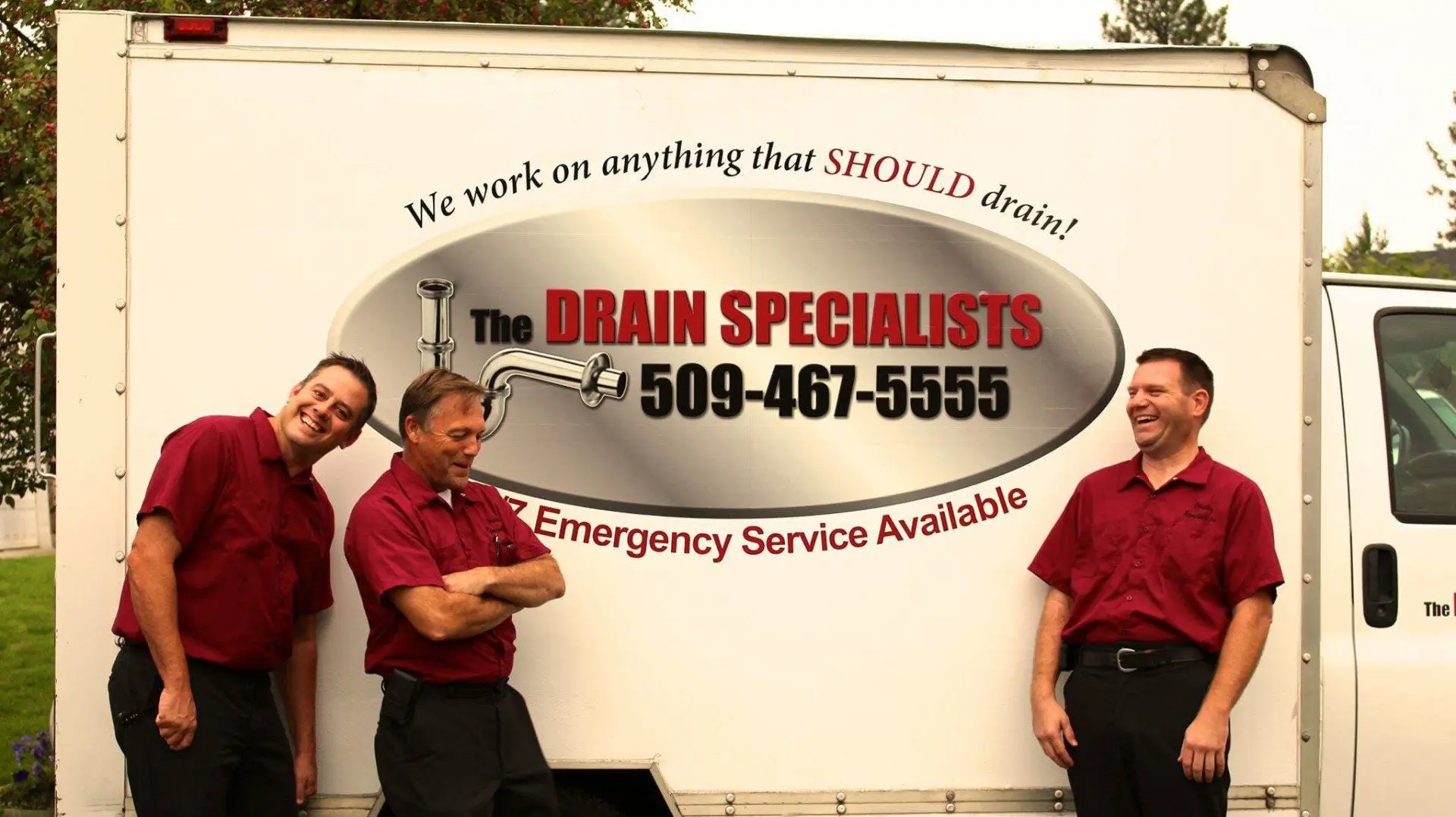



Newman Lake Drain Cleaning & Sewer Services
Done right, Drain Cleaning & Sewer Services in Newman Lake means your sinks empty fast, toilets flush without drama, and you stop hearing that telltale gurgle from the tub when the laundry drains. It also means the clog gets cleared from the right place in the line, without damaging your pipes or leaving a partial blockage that turns into another backup.
The Drain Specialists handles drain and sewer clogs in Newman Lake with a straightforward goal: restore full flow and leave you with clear next steps, not guesses. With over 40 years of combined drain experience, a bonded and insured crew, and Washington license #CCDRAINSDS88907, you get a professional on-site approach from start to finish. Same-day drain cleaning appointments in Newman Lake are available.
Drain Cleaning & Sewer Services in Newman Lake
"Drain cleaning" usually means a blockage in a smaller line inside the house, like a bathroom sink, tub, shower, or kitchen line. "Sewer services" points to the main line that carries wastewater from the home to the connection point, plus the larger branch lines tying fixtures together. The symptoms can look similar, so the first win is identifying which line is actually restricted.
That difference is more than just vocabulary. A slow bathroom sink can be a localized restriction that stays put. A main sewer restriction can turn a normal load of laundry into water showing up where it does not belong. If you are seeing more than one fixture act up, the real issue is often farther downstream than the one drain that looks like the problem.
Common problems we clear in Newman Lake include:
- Kitchen drain clogs from grease, food scraps, and soap buildup that narrows the pipe over time
- Tub and shower blockages from hair and product residue that forms a tough mat in the trap and beyond
- Toilet stoppages from excess paper or "flushable" wipes that don't break down like they claim
- Main sewer backups that show up as water coming up in a tub, shower, or floor drain when you flush or run the washer
In a place like Newman Lake, properties can also have longer runs from the house to the connection point, plus mature landscaping. If roots find moisture at a joint, they can grow into the line and catch debris. Clearing that kind of clog isn't the same as pulling hair from a shower trap, and treating it like the same problem is how people end up paying twice.
If you are not sure what you are dealing with, pay attention to timing. If a sink is slow all the time, that usually points to buildup in that branch line. If it only acts up when another fixture runs, or you hear gurgling after the washer drains, that is a clue the system is struggling to breathe and move water through a shared pathway.
How we pinpoint the clog so the fix matches the problem
Before we put a machine on the line, we focus on what the drains are telling us. A single slow sink points to a local restriction. Multiple fixtures acting up at once usually points to a shared branch or the main line. The difference matters because it changes the access point, the tools, and how far down the system we need to work.
We also want to know what the house has already been through. If you have plunged, used a small hand snake, or tried a chemical product, that information helps us choose a safer and more effective starting point. It is not about judging the DIY attempt. It is about not repeating steps that did not solve the issue and not creating a bigger mess for your floors and fixtures.
Here's what a typical service visit in Newman Lake looks like:
- Symptom check and basic isolation so we're not chasing the wrong line. We'll ask what backs up, when it happens, and what's been tried already.
- Choose the best access point such as an existing cleanout, a removable trap, or a fixture opening that lets us work without unnecessary disassembly.
- Clear the restriction with the right approach so we open the full diameter of the pipe, not just poke a small hole through the clog.
- Verify drainage by running water and checking that the system evacuates normally under flow, not just when it's "resting."
- Explain what we found in plain language, including what caused the blockage and what to watch for next.
That first step sounds simple, but it is where a lot of drain calls go sideways. For example, a kitchen line that is restricted by grease tends to drain a little, then surge, then slow again. A hair clog often behaves differently and can feel like it is "right there," even when the blockage is farther down the line than the visible trap. If you start in the wrong place, you can spend time clearing something that was not the real bottleneck.
Access matters too. For sewer work, an existing cleanout is often the safest way to reach the problem without stressing fixtures or making unnecessary openings. If a cleanout is not obvious, we will talk through options on-site and keep the goal the same: get to the restriction directly, clear it thoroughly, and confirm the fix under real water flow.
That diagnostic step is what keeps a "quick snake" from turning into a repeat visit. If the line is packed with grease, it needs thorough cleaning, not just a pass that temporarily restores a trickle. If the issue is in the main sewer line, clearing a bathroom drain inside the house won't change a thing.
What professional drain and sewer cleaning actually does (and doesn't) do
A proper cleaning removes the buildup that reduces flow. That can mean breaking apart a localized clog, cutting through accumulated debris, or clearing intrusions that catch waste. The goal is to bring the line back toward its working diameter so wastewater has room to move.
Done properly, drain cleaning is not just about "getting it to drain today." It is about reducing the stuff clinging to the pipe walls that turns into the next clog. That is why we focus on opening the line fully rather than punching a small pathway that closes again the first time you run the dishwasher or take a shower.
It also has limits. Drain cleaning can't "heal" a damaged pipe. If a line is bellyed (holding standing water), crushed, or separated at a joint, cleaning helps symptoms in the short term but doesn't correct the underlying condition. In those cases, the right outcome is clarity: you know what's going on and what your options are, instead of guessing and pouring more chemicals down the drain.
Speaking of chemicals, store-bought drain openers often create more trouble than they solve. They can generate heat, sit in low spots, and make the line harder (and messier) to service. If you've already used a product, let us know before we open the line so we can work safely. Nobody wants "surprise chemistry" as part of their Tuesday.
There is another tradeoff that catches homeowners: a drain can appear cleared because water drains slowly enough to avoid an immediate backup, but the restriction is still there. The system then works fine until you stack normal use, like laundry plus a shower plus a toilet flush. That is why we verify drainage under flow. A line should move water when you are actually living in the home, not only when everything is quiet.
Sewer line trouble signs that deserve fast attention
A slow drain is annoying. A sewer backup is a sanitation problem. If you notice any of the following in Newman Lake, it's time to schedule sewer service, not another round of plunging:
- Water backing up in a tub or shower when the toilet flushes or the washer drains
- Multiple fixtures draining slowly at the same time
- Gurgling sounds from drains, especially after you run another fixture
- Sewage odors that linger around a bathroom, laundry area, or floor drain
- Recurring clogs that return soon after a DIY attempt clears them
Those symptoms often mean the restriction is beyond a single fixture. Clearing the main line restores the pathway the whole house depends on, which is why sewer service is less about convenience and more about protecting the living space.
If you are actively backing up, treat it like the whole system is under pressure. Running more water does not "help push it through." It usually does the opposite and sends wastewater toward the lowest opening it can find. Stopping water use is the simplest way to limit the mess until service is scheduled.
Another sign people ignore is the pattern. If problems show up only during high-flow events like laundry draining, that still counts. It often means the line is partially restricted. Partial restrictions have a way of becoming full restrictions at the most inconvenient moment.
How to keep drains flowing after a cleaning (without overthinking it)
Most repeat clogs come from habits and buildup, not bad luck. After we clear a line in Newman Lake, we'll tell you what we pulled back and what that points to. The practical fixes are usually simple.
- Kitchen lines: Keep grease out of the drain, even "small" amounts. Wipe pans first and use a strainer that catches food scraps.
- Showers and tubs: A basic hair catcher prevents the dense tangles that form deep clogs. If you're clearing hair weekly at the cover, you're preventing the kind of blockage that requires equipment.
- Toilets: Stick to toilet paper. "Flushable" products still snag and build up in real plumbing.
- Know your cleanout location: If there's a main cleanout on the property, it's the safest access point for sewer service. If you're not sure where it is, ask during your visit.
Small changes beat heroic efforts. The goal is to reduce what enters the line that does not readily break down, and to catch the stuff you can catch before it becomes a packed blockage. If you have a longer run on your Newman Lake property, keeping debris out of the system matters even more because there is simply more pipe where buildup can collect.
If a drain only clogs once every few years, basic habits usually do the job. If it's frequent, the key is figuring out why. That's where experienced drain techs earn their keep, and it's why The Drain Specialists keeps seasoned people in the loop, including Eldon, our Service Manager, so the right plan gets put in motion.
FAQ
Is my problem a clogged drain or a sewer line backup?
If one fixture is affected, it's often a local drain issue. If several fixtures act up together, or water shows up in a tub or floor drain when you flush or run the washer, that points to a shared line or the main sewer. We confirm this on-site before we start clearing. See more on our FAQs.
Why does my drain work after I plunge it, then slow down again?
Plunging can move water past the obstruction and briefly open a small pathway. If buildup remains on the pipe walls, that opening closes again as soon as debris catches. A full cleaning targets the restriction itself rather than just forcing a temporary pass-through.
Should I use a chemical drain opener before calling?
Skip it. Chemical products can sit in the pipe and create a hazard during service, and they often don't remove the material that's actually causing the restriction. If you already used one, tell us so we can take the right safety precautions.
What should I do right now if wastewater is backing up into a tub or shower?
Stop running water in the home, especially the washer, dishwasher, and showers. That reduces the amount of wastewater pushing against the blockage. Then schedule sewer service so the main pathway can be cleared safely and properly. You can contact us to get help quickly.
What can I do before the technician arrives to make the visit smoother?
If the issue is at a sink, clear out the cabinet so we can access the plumbing without turning it into a game of household Tetris. If you know where your cleanout is, make sure it is reachable. And if you have used chemicals, mention it right away so we can handle the line safely.
Do you really need to run water after the line is cleared?
Yes. A drain can look fine when nothing is flowing, then fail again under normal use. We verify drainage under flow so the fix matches how you actually use your plumbing in your Newman Lake home.
Drain problems don't stay "small" for long. If your home in Newman Lake has a slow kitchen sink, a shower that pools at your feet, or signs of a main line backup, The Drain Specialists will clear the blockage, confirm flow under real use, and explain what caused it so you can make smart next decisions. Tami, our Office Manager, will help you get scheduled and keep the process simple, because nobody wants drain drama as their next hobby.
