



Rockford Drain Cleaning & Sewer Services
A typical drain call in Rockford starts the same way: you reach out, we ask a few quick questions about what's backing up (one sink, the whole house, a floor drain, the tub), and we set a time to get someone out. Once we arrive, we confirm the symptoms with you, protect the work area, and figure out the safest access point to the line. That usually means working from a cleanout when one is available, because it lets us clear the blockage without pulling fixtures apart.
From there, Drain Cleaning & Sewer Services is about getting the line open and making sure the fix matches what's actually in the pipe. A soft clog from soap and hair gets handled differently than a hard obstruction, heavy buildup, or roots in a sewer lateral. After we restore flow, we test drainage, clean up the workspace, and walk you through what we found and what to watch for next.
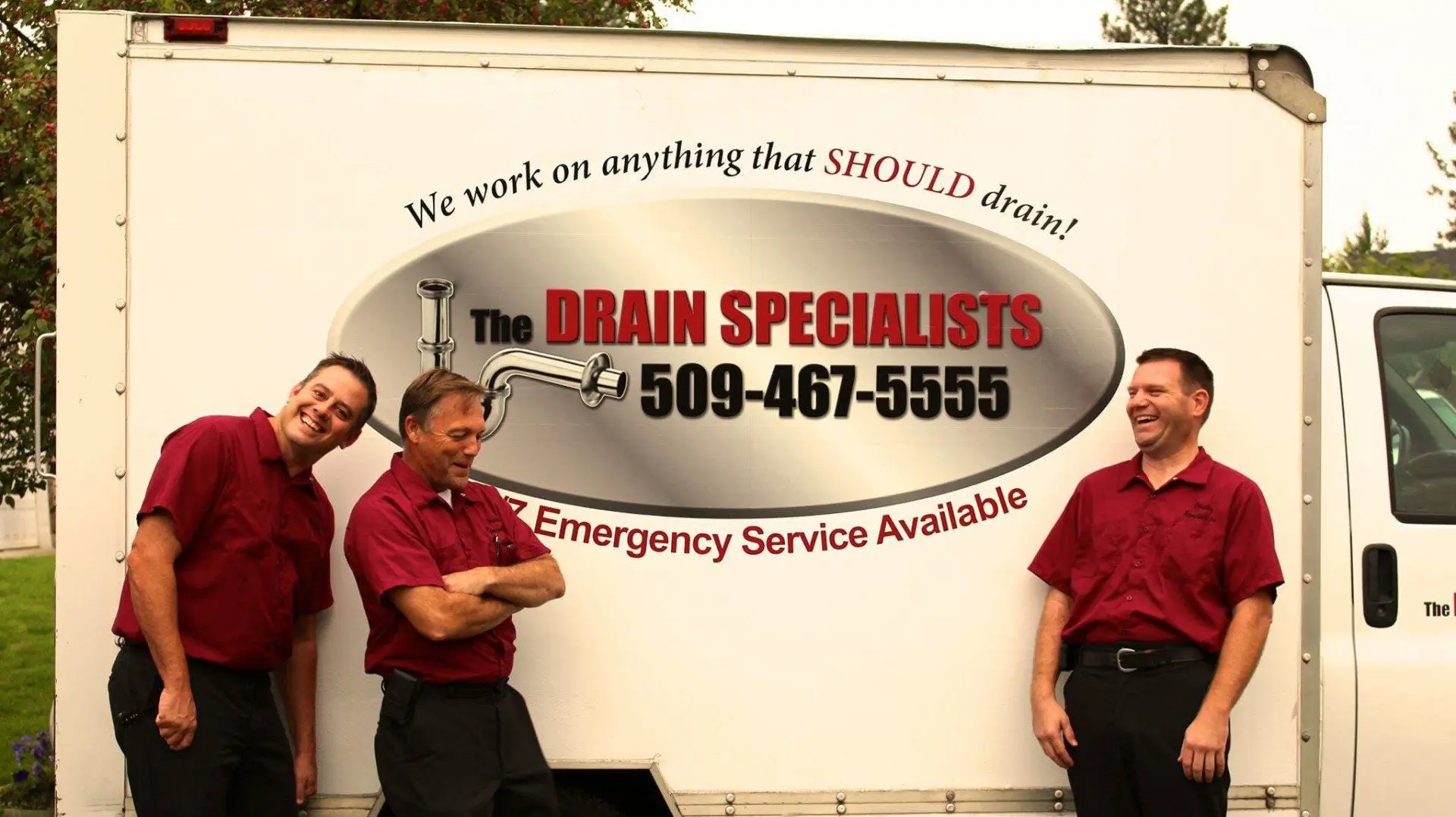
The Drain Specialists is licensed (#CCDRAINSDS88907), bonded, and insured. Our drain-focused team brings over 40 years of combined experience to drain and sewer work in Rockford. Eldon, our Service Manager, keeps the work consistent in the field, and Tami, our Office Manager, keeps scheduling and communication straightforward. If you're hoping for speed, same-day service is available in Rockford.
What Drain Cleaning & Sewer Services Fix in Rockford
Most drain problems fall into two buckets: a single line that's restricted, or a main sewer line that's blocked. The symptoms are different, and they matter because the wrong approach wastes time and can leave you with the same backup a week later.
Here are the warning signs that usually point to a drain or sewer issue that needs professional cleaning:
- Slow drains that keep returning after you've tried a plunger or a small hand snake.
- Gurgling sounds when water drains, especially if it happens in more than one fixture.
- Water backing up in a tub or shower when you run a washer or flush a toilet.
- A floor drain that overflows when other plumbing is used, which often points to a main line restriction.
- Sewage odor around a drain opening or near a basement drain, which can happen when waste water can't move properly.
In Rockford homes, clogs often come from a mix of everyday buildup (grease, soap film, food, hair) and pipe conditions that make buildup stick. Older lines can have rough interiors that catch debris. Some sewer lines also deal with root intrusion where joints or older materials give roots a place to enter. The goal of cleaning is to remove the blockage and restore full flow, not just poke a small hole through the clog.
How the cleaning method is chosen (and why it matters)
"Drain cleaning" isn't one tool and one trick. The right method depends on which line is affected, what the pipe is made of, and what's inside it. A kitchen drain packed with grease behaves differently than a main sewer line with heavy buildup or roots.
Here's how we think through the decision on a Rockford job:
- Start with the symptom pattern. If only one fixture is slow, the issue is often in that branch line. If multiple fixtures are involved, we treat it like a mainline problem until proven otherwise.
- Use the right access point. A cleanout is usually the best route because it provides a straight shot into the line and keeps the mess where it belongs. If there isn't a usable cleanout, we'll talk through the next best way to reach the clog.
- Match the tool to the pipe and clog. Professional drain cleaning often involves a cable machine with different heads sized for the line. That lets us break up and remove the material instead of forcing it deeper.
- Confirm the line is moving water freely. Opening a drain is step one. The real test is whether the system drains normally once the line is cleared and flushed.
Pipe condition matters. Old cast-iron can have flaking scale that narrows the inside diameter. Clay and older jointed lines can catch debris at offsets. In those cases, aggressive forcing can do more harm than good. A careful approach clears the line while respecting what the pipe can handle.
If the clog history suggests something deeper than routine buildup, a sewer camera inspection is often the fastest way to stop guessing. Seeing the inside of the pipe can show whether you're dealing with roots at a joint, a sag that holds water and sludge, or an obstruction that cleaning alone won't solve. The point isn't to "sell a camera." It's to avoid repeating the same cleaning because the real cause never got identified.
What you can do before we arrive (and what to skip)
A drain backup is stressful. A couple of simple steps help us move faster once we're on site and help protect your home in Rockford.
- Stop running water in the affected area. If a main line is restricted, extra water can turn a slow drain into an overflow.
- Note what's affected: one sink, the tub, toilets, floor drain, or multiple fixtures. That pattern is a big clue.
- Clear a path to the cleanout if you know where it is (basement, crawl space, garage, or outside access). If you don't know, that's fine, just give us room to look.
- Keep chemical drain cleaners off the list. They often don't clear the clog, and they can leave caustic liquid sitting in the line, which is risky when the line is opened and serviced.
After the line is open, small habit changes help keep drains running better. Use sink strainers, keep grease out of kitchen drains, and treat wipes as trash even if the label says otherwise. If you've had repeated issues in the same line, ask what the clog was made of. "Grease," "roots," and "scale" each point to a different plan going forward.
Drain & sewer cleaning FAQs
How can I tell if it's a main sewer clog or just one drain?
If more than one fixture is acting up, especially on the lowest level of the home, that often points to the main sewer line. A single slow sink or shower usually points to that branch drain, but testing and access matter because symptoms can overlap.
Do I need a cleanout for sewer cleaning?
A cleanout is the most direct, least disruptive access point for many sewer jobs. If you don't have one, or it's buried or damaged, we'll use the best available access for cleaning and explain options for making future service easier.
Is snaking the same thing as drain cleaning?
"Snaking" usually refers to using a cable to break up and remove a blockage. Professional drain cleaning is broader: it includes choosing the correct cable and head for the pipe size, clearing the full restriction, and verifying proper drainage so you're not left with a partially open line.
Will drain cleaning damage older pipes?
It shouldn't when it's done with the right equipment and the right technique for the pipe material and condition. Older lines can be fragile or rough inside, so the approach needs to fit what's actually in the wall or under the floor. If the line shows signs of structural failure, we'll tell you what we're seeing and what that means for cleaning and next steps.
If you're dealing with slow drains, recurring backups, or a suspected main sewer blockage in Rockford, The Drain Specialists can clear the line and explain what caused the problem in plain language. To get on the schedule, use our Contact Us page and tell Tami what you're seeing. Eldon and our licensed, bonded, insured team will take it from there.
